Transform Trauma Oxford
What we did
- Defined brand architecture to position Transform Trauma Oxford as a distinct event within the Masters Events portfolio
- Designed an embedded, long-term growth strategy
- Established campaign infrastructure across website, email, paid media and affiliates
- Extended reach and brand continuity through speakers, podcast content, and channel integration
- Designed a comprehensive, on-site experience to align with wider brand touchpoints
- Provided full-service activation design for integrated, event-aligned partner experiences
- Reduced reliance on paid media for attendee acquisition through marketing efficiency
An ongoing, embedded marketing partnership delivering sustained growth.
Designing for depth. Building for scale.
Professional conferences are often transactional. They deliver information efficiently but rarely shape experience.
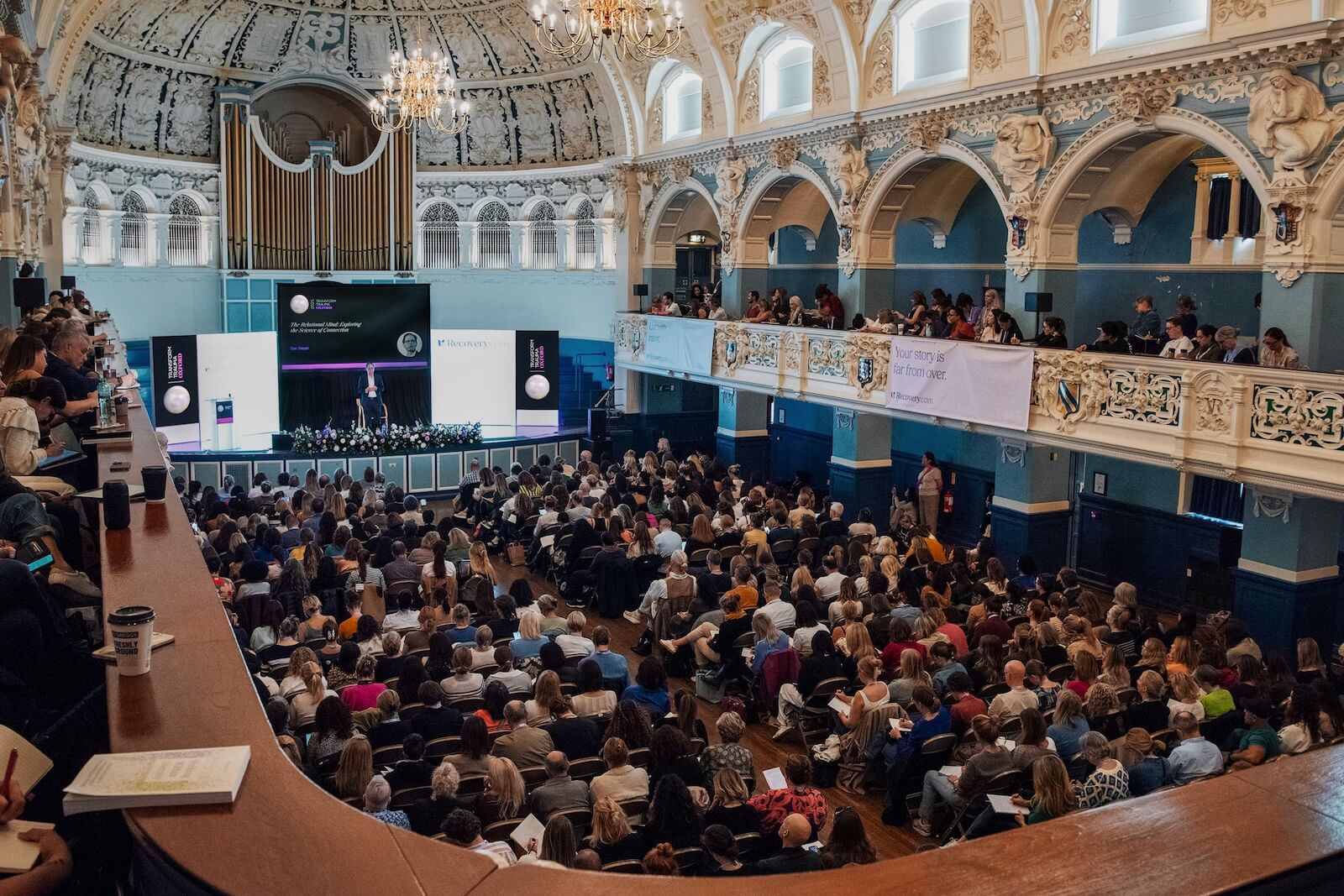
Transform Trauma Oxford set out to create something more considered: an event environment aligned with the nature of trauma work itself. Situated in Oxford, the setting creates a particular energy; one of scholarship, reflection and depth, rather than the anonymous feel of a high-volume conference.
Three full programmes have now been delivered, with 2026 set and on sale and 2027 already in development.
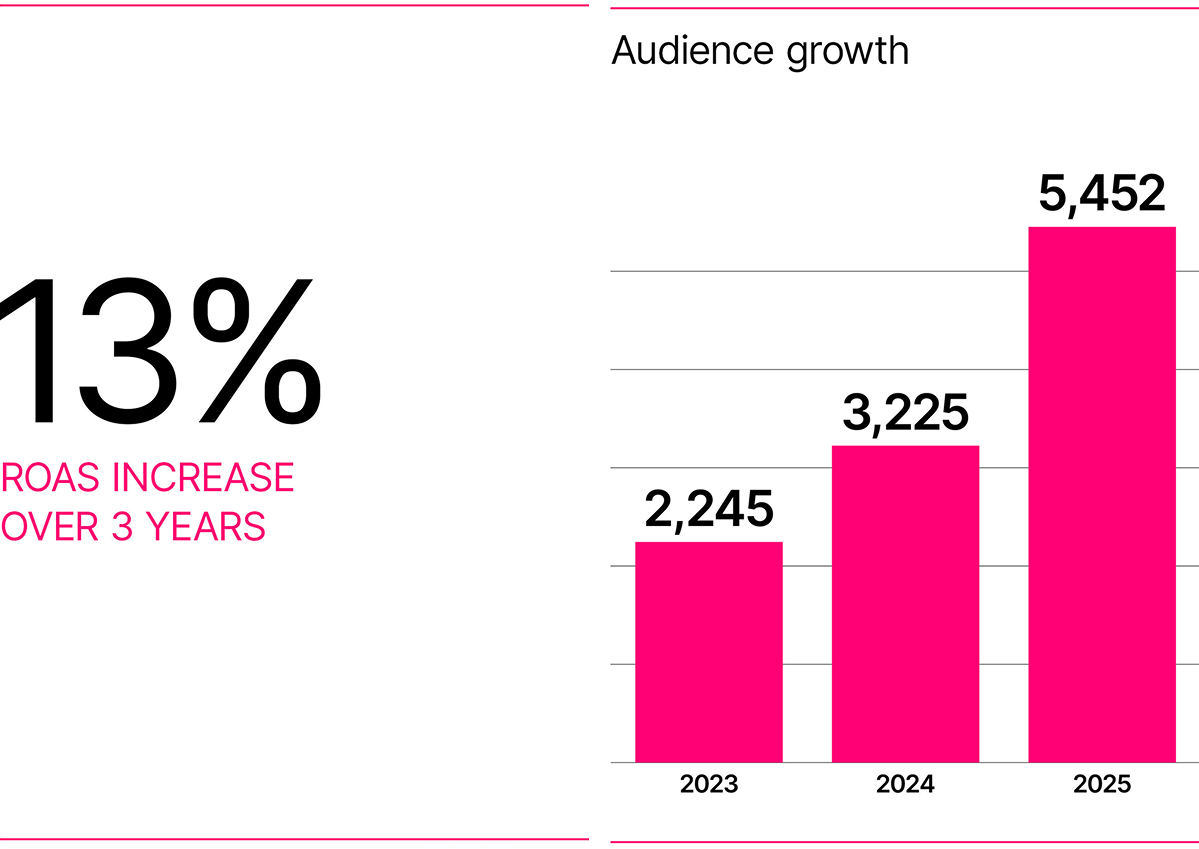
In its first year, 2,245 (in person and virtual) participants attended. The ambition, however, was not to host a successful inaugural event. It was to build a repeatable growth model, underpinned by a clear brand position and capable of sustained expansion without compromising integrity, credibility or trust.
Attendance grew to 3,225 in 2024 and 5,452 in 2025 (in person and virtual combined). Capacity expanded in response to demand and operational learning, with careful attention to delivery quality and delegate experience. Each programme reached full allocation.
Growth was designed, not chased. Clear guardrails defined what remained constant: intellectual rigour, speaker quality and professional trust, while brand expression, marketing systems and amplification evolved to support scale.
Building a system, not a campaign.
Mint Partnership operates as the complete outsourced marketing function for Transform Trauma Oxford, leading strategy, performance, communications, brand and delivery across each programme. From the outset, marketing has been approached as long-term infrastructure rather than short-term promotion.
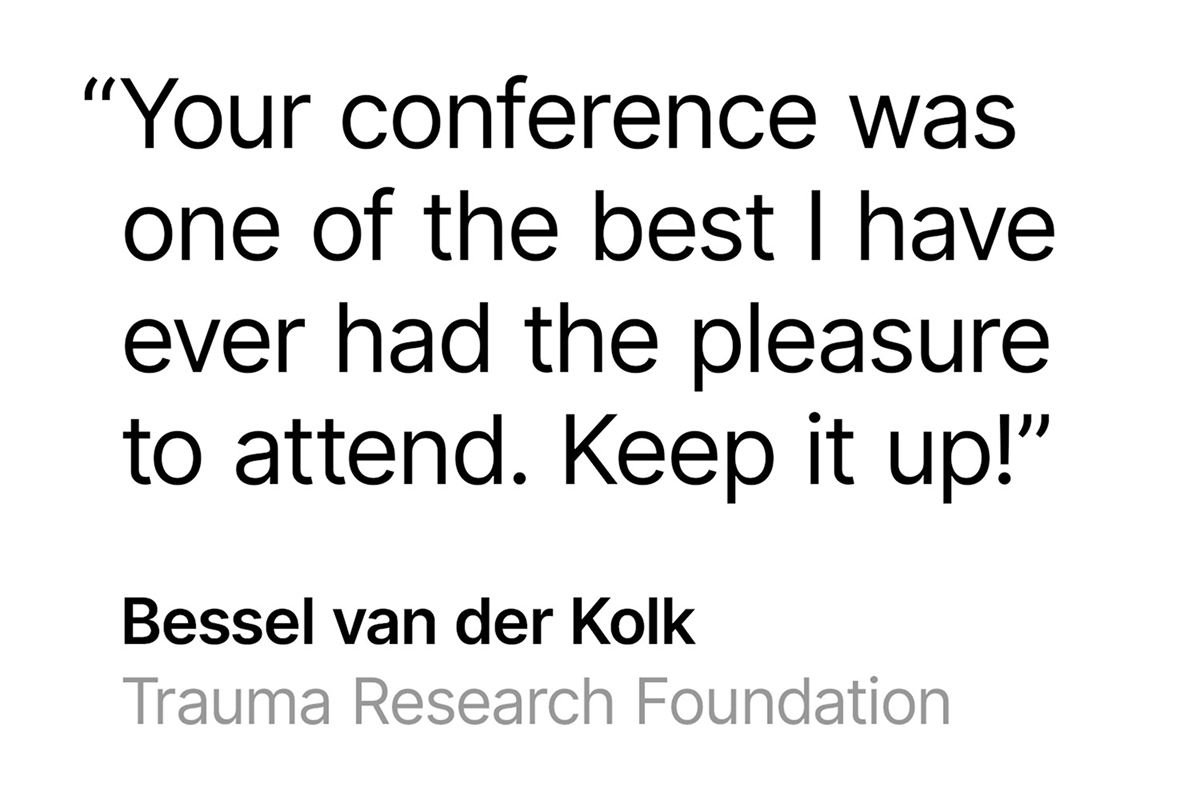
Across its programmes, Transform Trauma Oxford has featured leading voices including Esther Perel, Gabor Maté and Bessel van der Kolk. Around this intellectual foundation, we have built and continue to refine a multi-layered growth architecture designed to support acquisition, retention and forward visibility.
- Paid media operated in phased sequences.
- Email communications were segmented, automated and behaviour-led.
- Early booking windows were strategically structured.
- Pricing was structured to encourage early booking and support sustainable growth.
- Performance data informed each successive programme.
This has created predictability. Sales were not dependent on late surges or one-off announcements; the commercial model supported forward planning across multiple cycles.
Alongside direct acquisition, amplification was built into the system. Speaker networks extended reach into aligned professional communities, while a structured affiliate programme incentivised partners and past attendees to promote organically. Social media reach and engagement continue to strengthen year-on-year.
Together, these elements form a durable marketing system capable of compounding attention and trust over time.
Extending authority beyond the event cycle.
To reduce reliance on seasonal promotion, we introduced brand continuity.
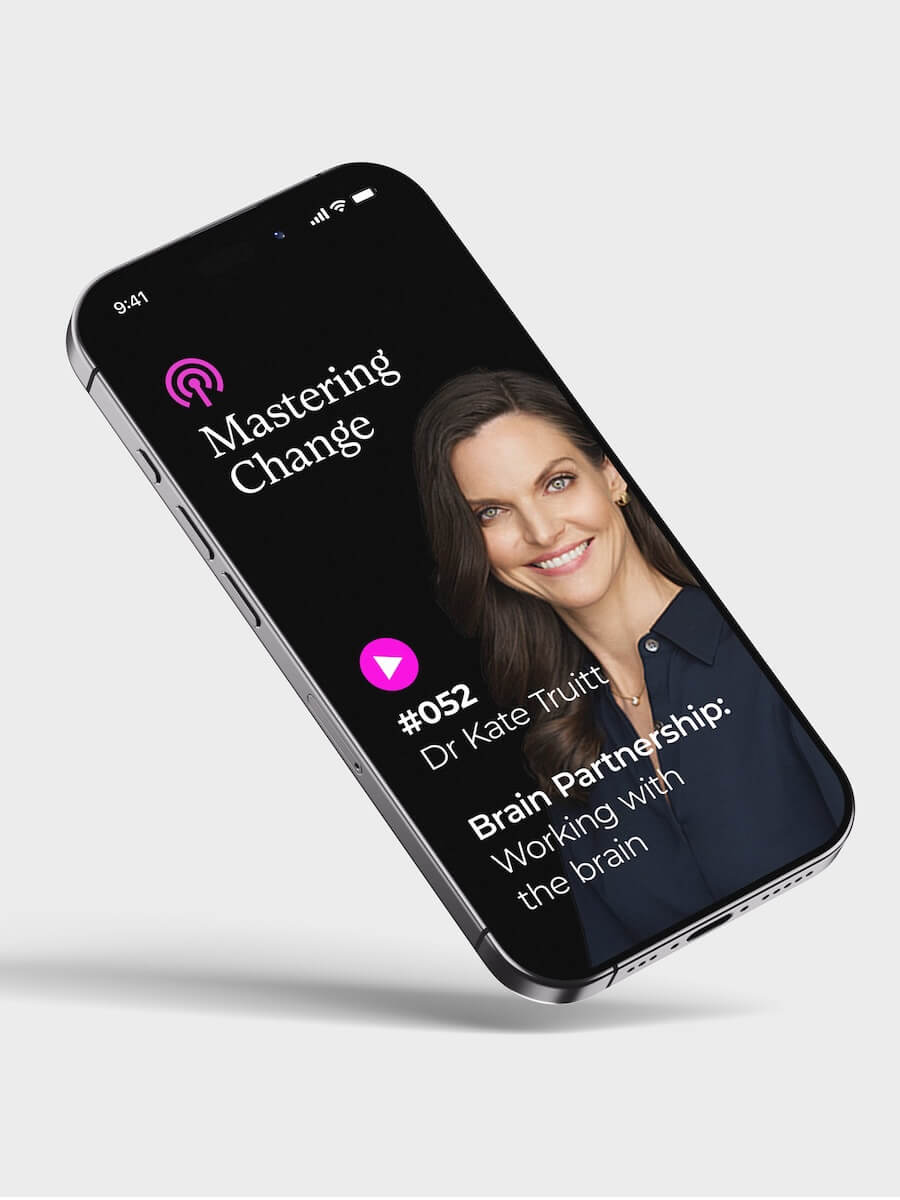
In January 2025, the Mastering Change podcast launched as an integrated channel within the wider system. Across 54 weekly episodes, it generated 25,894 downloads, extending exposure to speaker thinking beyond the annual event window.
Podcast announcements contributed directly to ticket revenue, with email engagement strengthening year-on-year between 2023 and 2025. Audience attention was no longer concentrated solely around launch moments. Authority is now ongoing rather than episodic.
Scaling with increasing efficiency.
Attendance more than doubled between 2023 and 2025, growing from 2,245 to 5,452 attendees. At the same time, marketing efficiency improved.
By 2025:
- Meta delivered a ROAS of 4.87
- Google delivered a ROAS of 10.16
- Blended ROAS reached 6.08; a 9% year-on-year improvement and a 13% increase over two years
Strategic email automations have become a measurable revenue driver, with the highest-performing sequence generating £54,755 during the 2025 campaign alone.
Meanwhile, the owned database expanded from 41,347 to 65,946 contacts, a 59.49% increase in two years, with growth accelerating from 20% in year one to 32% in year two.
As attendance grew, efficiency improved and reliance on paid acquisition reduced proportionally.
Designing the experience as a retention strategy.
Brand and experience were treated as part of the growth system, not decorative layers added at the end.
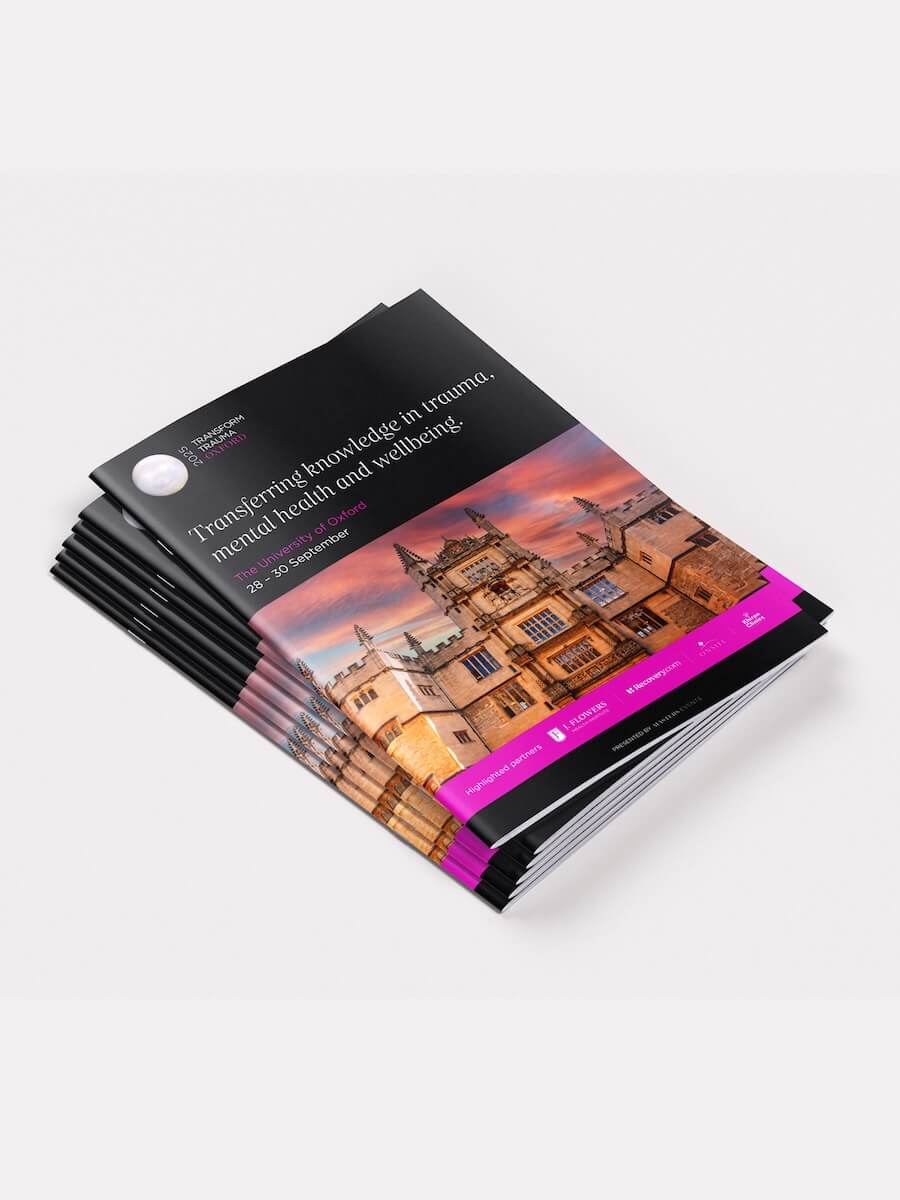
Pre-event communications prepared attendees in advance. On-site materials: signage, programmes, merchandise and environmental identity, expressed a consistent brand language across every touchpoint. As scale increased, cohesion strengthened rather than fragmented.
Retention remained consistent at 16% year-on-year, even as new audience acquisition accelerated. In 2024, 550 attendees returned. In 2025, that number rose to 813.
Evening programming evolved significantly. Evening ticket sales increased from 186 in 2023 to 1,976 in 2025, contributing to 101% year-on-year revenue growth from 2024 to 2025.
Post-event satisfaction scores remained strong:
- 4.49 / 5 average speaker quality
- 4.23 / 5 likelihood to recommend
- 4.06 / 5 likelihood to return
Several recognised leaders returned to contribute across multiple years, reinforcing the conference’s position as a serious and trusted forum. Scale did not dilute experience. Coherence and professional trust strengthened as reach expanded.
What has emerged.
Across three delivered programmes, Transform Trauma Oxford has evolved into the largest trauma conference globally, with forward sales underway for 2026 and long-term planning established through 2027.
Between 2023 and 2025, attendance more than doubled. The owned audience grew by nearly 60%. Marketing efficiency improved as scale increased, while retention remained stable and authority deepened.
The conference now operates with a repeatable growth model across cycles, integrating pricing, timing and communications within one commercial system. Amplification through speakers and affiliates extends reach beyond paid channels, while owned audience continuity reduces reliance on annual promotion. Performance accountability sits alongside a consistent brand expressed across digital and physical experience, all supported by a multi-year planning horizon built into its design.
Growth has been architected, not improvised.